
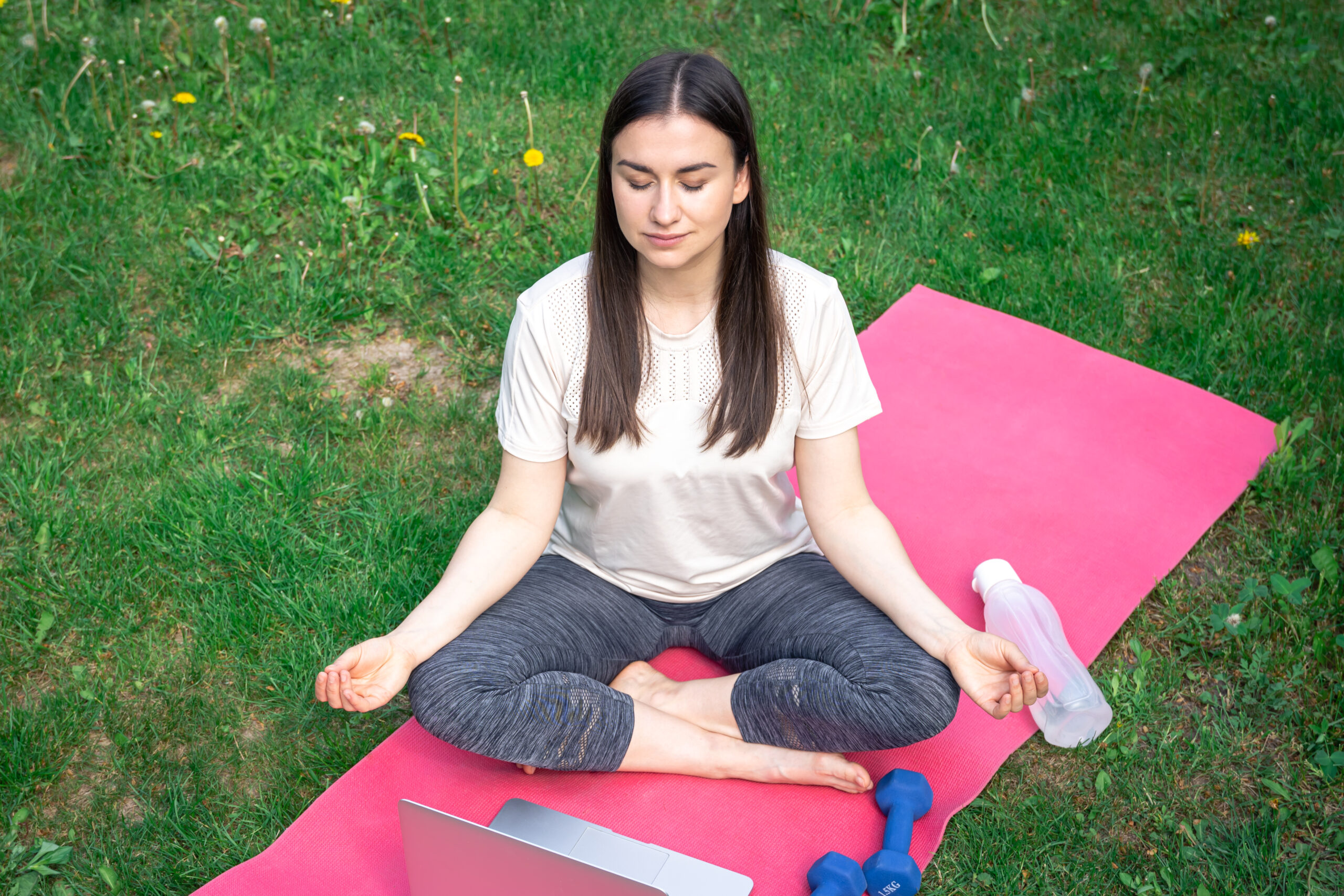
In a world driven by stress, poor sleep, and lifestyle diseases, ancient wisdom offers a path back to health. Discussing on how Yoga differs from modern medicine, the secrets to glowing skin and hair, and specific techniques to fix sleep and reproductive health.
The Core Philosophy: Yoga vs. Medicine
While modern medicine (Allopathy) is essential for survival and managing acute crises, it often addresses symptoms rather than root causes. Medicine helps you live with a condition, but removing the root cause is your own responsibility.
A staggering 92% of diseases are psychosomatic, meaning they originate in the mind and manifest in the body. Negative emotions like anger weaken the liver, grief affects the lungs, fear impacts the kidneys, and stress damages the heart and brain. Therefore, total reliance on doctors without personal lifestyle changes can be dangerous.
1. The Four Pillars of Health
To maintain a healthy life, one must balance four specific areas :
1. Ahar (Food): It is not just about what you eat, but when and how. You should eat only when hungry and maintain fixed mealtimes.
2. Vihar (Recreation & Exercise): This includes walking and hobbies. Life should not be mechanical; engaging in joy-bringing activities like music, art, or even cooking acts as a stress buster,.
3. Achar (Routine): Establish a fixed time for sleeping and waking to create a healthy body rhythm.
4. Vichar (Thoughts): Your thoughts directly impact your biology. Anger or stress can spike blood pressure, ruin digestion, and cause the body to store fat or cholesterol instead of converting food into energy,.
2. Daily Routine: Morning to Night
The Morning Routine
Waking Up (Brahmamuhurta): Ideally, one should wake up before sunrise to align with nature’s circadian rhythm. Waking up after sunrise can lead to poor digestion and low stamina.
How to Wake Up: If you struggle to wake up, create a sense of “emergency” or strong purpose (like catching a flight) to trick the mind into waking the body.Bed Exercises: Before leaving bed, perform Yastikasana (Stick Pose). Stretch your arms upward and toes downward to elongate the body. Move your limbs, perform deep breathing, and twist gently side-to-side. This activates the intestines and helps with bowel movements,.
The “Expand” Mindset: People who physically expand and stretch their bodies in the morning tend to be more confident throughout the day compared to those who curl up.
The Night Routine for Better Sleep
Dinner: Eat a light dinner (soups, khichdi) and avoid heavy non-vegetarian food at night.
The 100-Step Rule: After dinner, do not go straight to bed. Go for a “leisure walk” (strolling, not brisk walking) for about 30 minutes to aid digestion.
Digital Detox: Stop using phones and screens at least one hour before sleep, as blue light disrupts sleep cycles.
Relaxation: Do not go to bed exhausted; you must be relaxed. Use a warm foot bath or engage in cuddling and care with your partner to transition into sleep,.
Mental State: The night is for sleeping, not solving problems. If you must think, recall 10 positive things from the day rather than dwelling on stress.
3. Specific Yoga Techniques for Health Issues
For Immunity and Allergies (Sinus/Cold)
Jal Neti: This is a process of using saline water to flush the nasal passages. It washes away irritants and refreshes the mucous membrane, preparing it to fight new infections,.
Nasal Rubbing: Vigorously rubbing the sides of the nose while breathing can generate heat and strengthen the nasal passage against allergies.
Eating Cold Food: When eating ice cream or cold foods, let them melt in your mouth and mix with saliva before swallowing. Follow up with warm water to wash away irritants.
For Weight Loss and Belly Fat
Naukasana (Boat Pose): Lying down and lifting both legs and head to balance on the hips,.
Twisting: Spinal twists while sitting or standing help wring out the abdomen and reduce belly fat.
Pawanmuktasana: Pressing the knees to the chest to release gas and bloating.
For Reproductive Health
Bhadrasana (Butterfly Pose): Sitting with feet joined together and knees apart strengthens the pelvic region.
Setu Bandhasana (Bridge Pose): Lifting the hips while lying on the back (Glute Bridge).
Ashwini Mudra: A technique involving the rhythmic contraction and relaxation of the anal and vaginal/penile muscles. This strengthens the reproductive organs.
For Hair and Skin Care
Hair:
Back Combing: Comb hair from the back of the head toward the front for a few minutes daily to stimulate roots.
Scalp Stimulation: Gently pull the hair or “shake” the scalp with your fingers.
No Overnight Oil: Do not leave oil on overnight. Apply it (warmed) for a short time before washing. Use lemon for dandruff and fenugreek (methi) for cleaning,.
Skin:
Natural Moisturizers: Use milk, curd (yogurt), or honey on the body before bathing instead of chemical lotions.
Gharshan Snan: Avoid excessive soap. Instead, use a wet towel to vigorously rub the body. Use soap only on hairy areas (underarms, groin) and feet.
Facial Steam: Taking steam helps clear pores and maintains a glow.
4. Three Essential Asanas for Everyone
Hansaji recommends three types of movements every person should do daily,:
1. Sarvangasana (Shoulder Stand): Since we stand on our feet all day, reversing gravity helps the entire body and blood flow.
2. Meditative Poses (Padmasana/Sukhasana/Vajrasana): Sitting cross-legged or on heels keeps the extremities flexible.
3. Backward Bending (Bhujangasana/Shalabhasana): Lying on the stomach and lifting the head (Cobra pose) or legs (Locust pose) exercises the spine and releases nerve pressure.
5. Myths and Warnings
Yoga vs. Gym (Weightlifting)
While weightlifting builds muscle, Hansaji warns that excessive muscle building can strain the heart, as it must work harder to pump blood to the extra mass,. Yoga focuses on organ health, flexibility, and managing one’s own body weight, which she argues is better for long-term health and the heart.
Dangers of Advanced Yoga
Headstands (Sirsasana): Adults should avoid doing headstands unless highly trained. The neck muscles are often not strong enough to support the body weight, leading to cervical spondylosis.
Breath Retention (Kumbhak): Holding the breath for too long without proper training can damage the nervous system. The ratio should be safe (e.g., inhale for 6 seconds, hold for 12), but forcing it can lead to psychological and physical breakdown.
Health is not just about the absence of disease; it is about awareness. By incorporating simple disciplines—eating only when hungry, keeping the spine flexible, maintaining positive thoughts, and respecting the body’s natural rhythms—we can prevent illness before it starts. As noted “Yoga is the science of awareness”.
Read More :
How to Save Your Eyes Naturally: Understanding the Myopia Epidemic

I'm a education-driven content creator dedicated to breaking down complex ideas into simple, practical, and easy-to-understand explanations. The website is built with a clear mission: to promote learning, awareness, and education.